Knowledge Management in the Age of AI
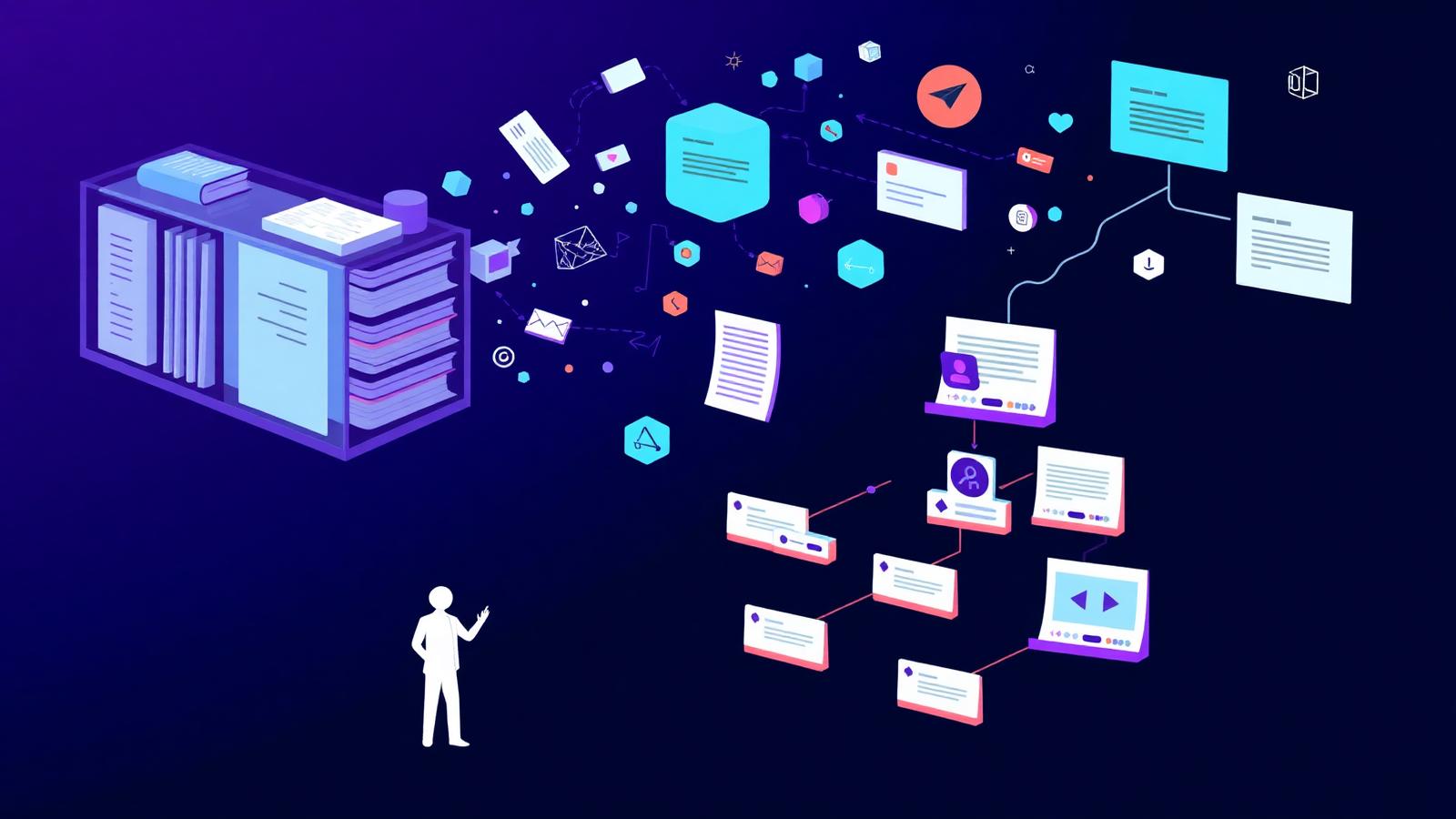
AI can make organizational knowledge easier to use, but it cannot repair unclear ownership, stale sources, or contradictory guidance on its own.
Read insight

Founder & CEO, OceSha Ventures
AI Technologist, Author & Educator
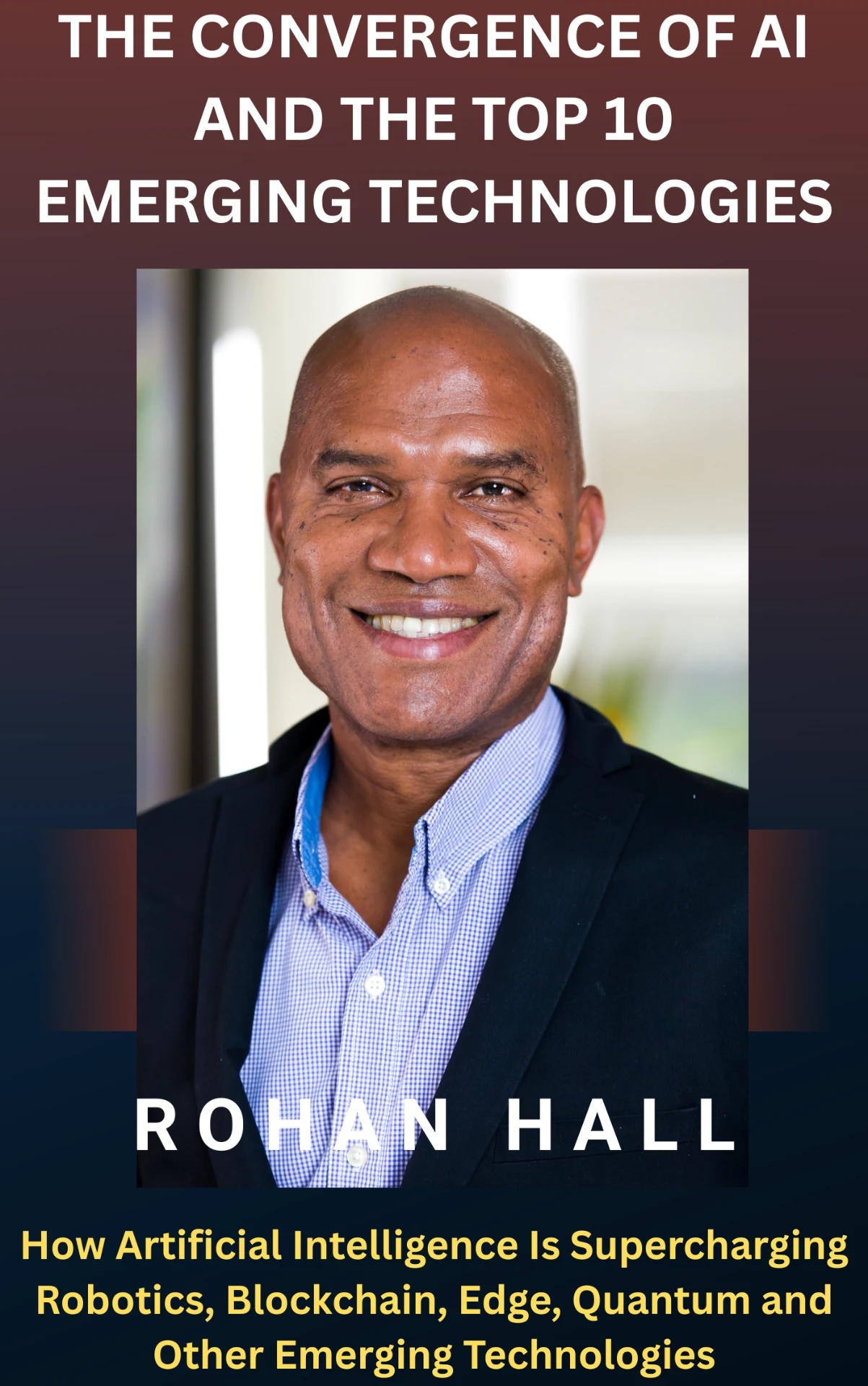
Book by Rohan

The Convergence of AI and the Top 10 Emerging Technologies
How Artificial Intelligence Is Supercharging Robotics, Blockchain, Edge, Quantum and Other Emerging Technologies
View on AmazonAbout the author
Rohan Hall is a technology entrepreneur, AI technologist, author, educator, and Founder & CEO of OceSha Ventures, an AI-first venture and technology studio helping organizations train their people, build AI-powered software, and transform their knowledge into scalable learning Academies.
His career spans decades of enterprise technology, emerging technology, software development, education, and entrepreneurship.
Rohan served as a Senior Emerging Technology Architect at Capital Group | American Funds, where his work included emerging technologies such as artificial intelligence, blockchain, and cognitive computing. His career also includes technology leadership and enterprise initiatives involving organizations such as Oracle/PeopleSoft, Honda, Corning, HP, American Red Cross, and other major organizations.
As an entrepreneur and technology executive, Rohan has founded and led technology ventures spanning artificial intelligence, blockchain, fintech, education, and healthcare. He has served as Chief Technology Officer of publicly traded RocketFuel Blockchain and was a co-founder of blockchain technology company Vottun.
Rohan is the author of "The Convergence of AI and the Top 10 Emerging Technologies." His work explores the convergence of artificial intelligence with blockchain, robotics, quantum computing, IoT, advanced connectivity, biotechnology, and other emerging technologies, as well as the impact these technologies will have on organizations, work, and society.
Rohan also co-hosts the Explainable AI Podcast.

Author archive
Practical perspectives on how organizations learn, adopt, build, and transform with AI.
AI can make organizational knowledge easier to use, but it cannot repair unclear ownership, stale sources, or contradictory guidance on its own.
Read insight
Good AI governance makes safe use easier. Start with clear boundaries, proportional review, accountable owners, and a living system that changes with the work.
Read insight
Before an organization invests in broad AI adoption, it should understand its readiness across leadership, people, process, data, technology, and governance.
Read insight
Successful AI software starts with a real organizational problem and ends with a system people can trust. The model is only one part of the product.
Read insight
Automation follows defined rules. AI agents can interpret context, choose actions, and work through variable tasks. The distinction matters when organizations decide what to build.
Read insight
Training creates capability. Transformation begins when that capability changes workflows, decisions, products, and the way organizational knowledge moves through the business.
Read insight
A corporate AI Academy needs more than a catalog and a brand. It needs a learning architecture that connects business priorities to pathways, practice, governance, and measurable capability.
Read insight
An AI Academy is more than a set of AI courses. It is an organizational system for building capability across roles, pathways, practice, policy, and continuous learning.
Read insight
The best AI automation opportunities are rarely the most impressive demos. They are recurring workflows with clear inputs, predictable decisions, and measurable friction.
Read insight
Most organizations already own more educational material than they realize. The problem is that it is scattered, unstructured, and undiscoverable. Here is how to convert it into a working Academy.
Read insight
AI adoption is an organizational change problem more than a technology problem. Access does not create capability, and enthusiasm does not create change. Here is what actually moves an organization forward.
Read insight
Most AI training fails not because the content is wrong, but because it was never designed around the organization's roles, workflows, and policies. Here is a practical structure for building a program that changes how work gets done.
Read insight
Looking for the full Insights archive?
Explore all Insights →