
AI Strategy
AI Governance for Growing Organizations: A Practical Starting Point
Good AI governance makes safe use easier. Start with clear boundaries, proportional review, accountable owners, and a living system that changes with the work.
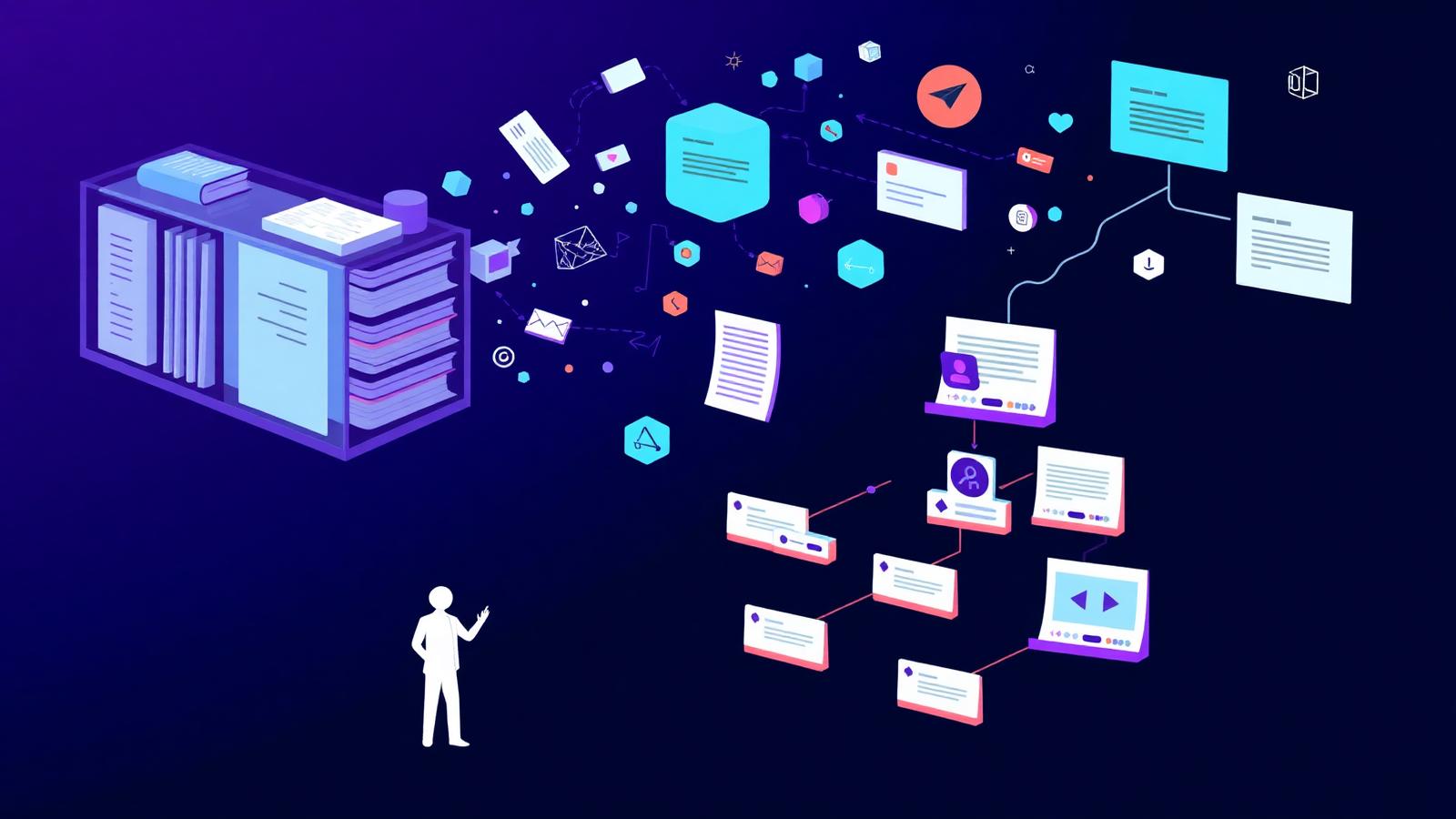
AI governance is the set of decisions and practices that determine how an organization uses, evaluates, and builds with AI. It should reduce uncertainty without making every low-risk experiment feel like a legal review.
A useful starting point is not a large committee or a perfect framework. It is a clear minimum set of rules and owners that people can apply.
Define Acceptable Use
State which tools are approved, what they may be used for, which data may enter them, what outputs require review, and what uses are prohibited. Include the route for requesting a new tool or use case.
Keep the first policy readable. A short policy people follow is stronger than a comprehensive one nobody reads.
Classify Data
Map the organization's information into categories employees understand: public, internal, confidential, personal, regulated, or another scheme that fits existing practice. Connect each category to approved tools and handling requirements.
Do not assume employees can infer whether a tool retains prompts, uses them for training, or has enterprise controls. Tell them what is known and who owns the decision.
Preserve Human Accountability
AI may draft, recommend, classify, or act within a workflow. A person or accountable role must own the outcome. Define where human review is required and what evidence the reviewer needs.
Avoid nominal oversight. If the human cannot inspect sources, assumptions, uncertainty, or the action about to occur, the review checkpoint is not meaningful.
Match Review to Consequence
A low-consequence internal draft and a customer-facing regulatory statement do not need identical controls. Define levels based on what could happen if the output is wrong.
High-consequence use may require primary-source verification, a second reviewer, approval logging, restricted tools, or no AI use at all. Make that distinction explicit.
Govern Vendors and Integrations
When evaluating an AI provider or application, examine data handling, retention, access controls, model changes, service reliability, export and deletion, incident notification, and the organization's ability to audit use.
Integrations deserve particular care because an assistant connected to internal systems may inherit broad permissions. Scope access to the smallest useful set.
Create an Issue Path
Employees need to know how to report an incorrect answer, privacy concern, biased result, unsafe action, or policy gap. Provide a named owner and a response path.
Reports are not only incidents. They are evidence about where training, source content, workflow design, or policy needs improvement.
Train the Policy Into Practice
A policy document alone does not create behavior. Use realistic scenarios in AI training: a customer record, a confidential deck, a generated financial summary, an AI recommendation about a person, and an agent asking for permission to take an external action.
People learn boundaries faster when they practice judgment in context.
Review the Governance System
AI capabilities and organizational workflows change. Set a review cadence and triggers such as a new tool, model update, policy change, data incident, or material workflow change.
Governance is working when employees can make safe decisions without guessing, leaders can see meaningful use, and the organization can correct course when evidence changes.