AI Strategy
AI Readiness Assessment: What Organizations Should Examine First
Before an organization invests in broad AI adoption, it should understand its readiness across leadership, people, process, data, technology, and governance.
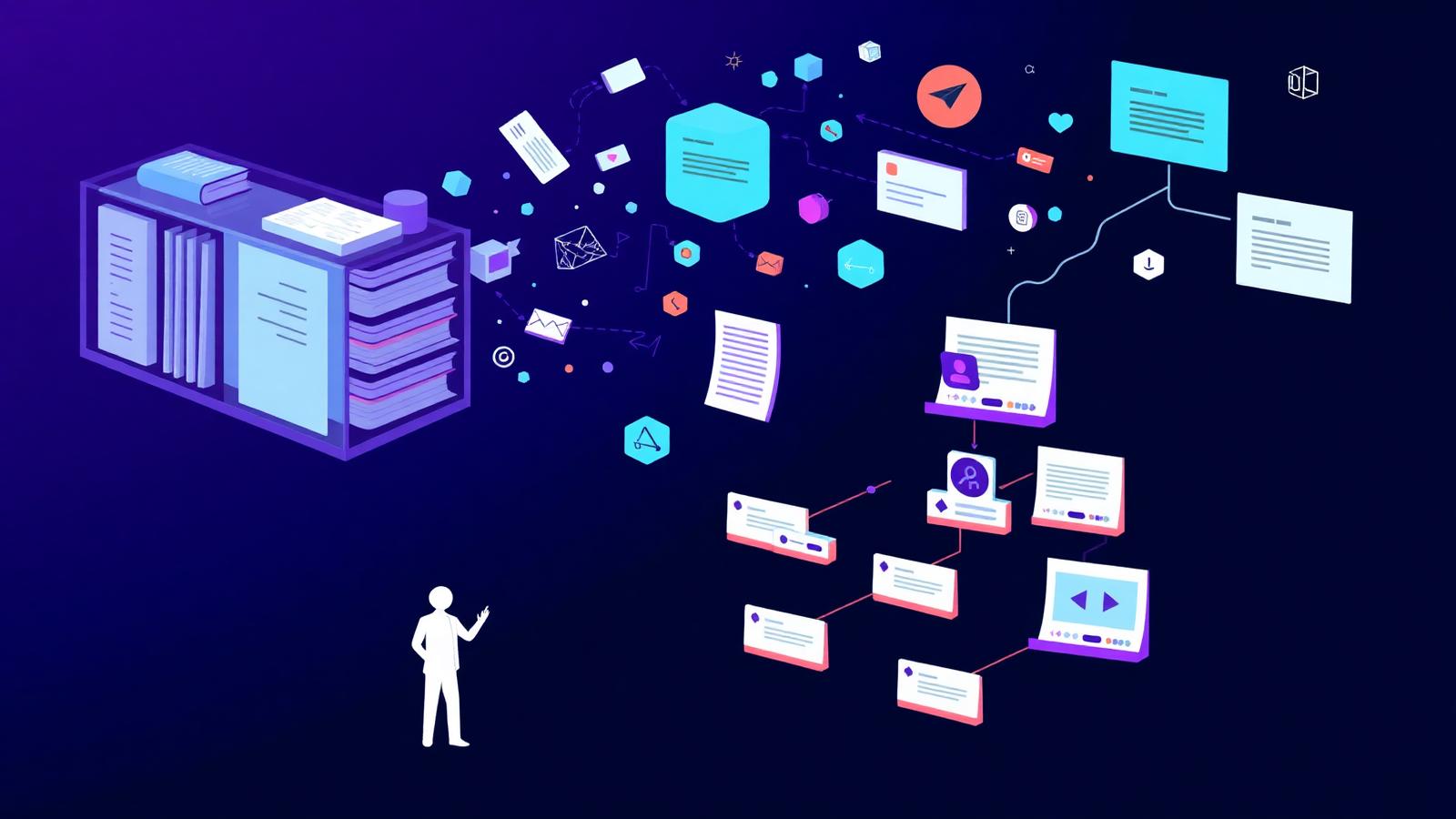
An AI readiness assessment is a structured look at whether an organization can use, govern, and build with AI responsibly. It is not a score assigned by a vendor. It is a way to expose the conditions that will accelerate adoption and the constraints that will make a rollout stall.
Examine seven areas: leadership, people, processes, data, technology, governance, and opportunity.
Leadership
Does leadership agree on why AI matters, what the organization is prepared to change, and what risk it will not accept? Can leaders explain what AI means for work without overpromising or avoiding the difficult questions?
Readiness is low when different executives communicate contradictory positions or when nobody owns the outcome. Name an accountable sponsor before broad rollout.
People and Skills
Assess current literacy, technical capability, role-specific opportunity, manager readiness, and the presence of trusted internal champions. Identify which groups need executive education, baseline skills, deeper technical training, or pathway-specific learning.
Also ask whether people have time to learn and experiment. Capability without time becomes another aspiration competing with the work.
Processes
Inventory workflows and locate repetition, searching, document transformation, handoffs, queues, and rework. Document which processes have clear owners and which depend on undocumented expert judgment.
A process that is not understood cannot be improved safely with AI. Process clarity is itself a readiness signal.
Data and Organizational Knowledge
Identify where the organization's relevant knowledge lives, who owns it, how current it is, and how accessible it is. Examine data quality, permission models, retention, sensitive classifications, and the presence of authoritative sources.
AI applications often expose knowledge-management problems that already existed. Treat that exposure as useful diagnostic information.
Technology
Review identity, integrations, application architecture, developer capability, observability, and the tools already in use. Separate what can be accomplished with approved tools from what requires workflow automation or custom software.
Technology readiness does not require a massive new platform. It requires a realistic understanding of the systems that must connect and the controls they require.
Governance
Check acceptable-use policy, privacy and security guidance, procurement, risk review, incident response, human accountability, and review expectations. If policy is silent, employees will create their own boundaries or avoid use.
Governance should be proportional to consequence. Not every experiment needs the same process, but every use needs a known owner and a route for questions.
Opportunity Pipeline
A readiness assessment should end with prioritized opportunities, not only a gap list. Score candidates by business value, feasibility, data availability, consequence of error, and ability to measure change.
Select a few bounded opportunities for learning. Avoid committing to an enterprise-wide transformation before the organization has tested how its people, data, and processes behave together.
Turn the Assessment Into Action
The assessment becomes useful when each finding has an owner, next step, and review date. Typical actions include publishing policy, creating a baseline Academy pathway, cleaning an authoritative knowledge source, redesigning a workflow, running a small pilot, or commissioning an application discovery phase.
Readiness is not a permanent label. Training changes people, governance changes clarity, workflow pilots change understanding, and improved knowledge systems change what is possible. Revisit the assessment as the organization learns.