AI Strategy
From AI Training to AI Transformation: What Comes Next?
Training creates capability. Transformation begins when that capability changes workflows, decisions, products, and the way organizational knowledge moves through the business.
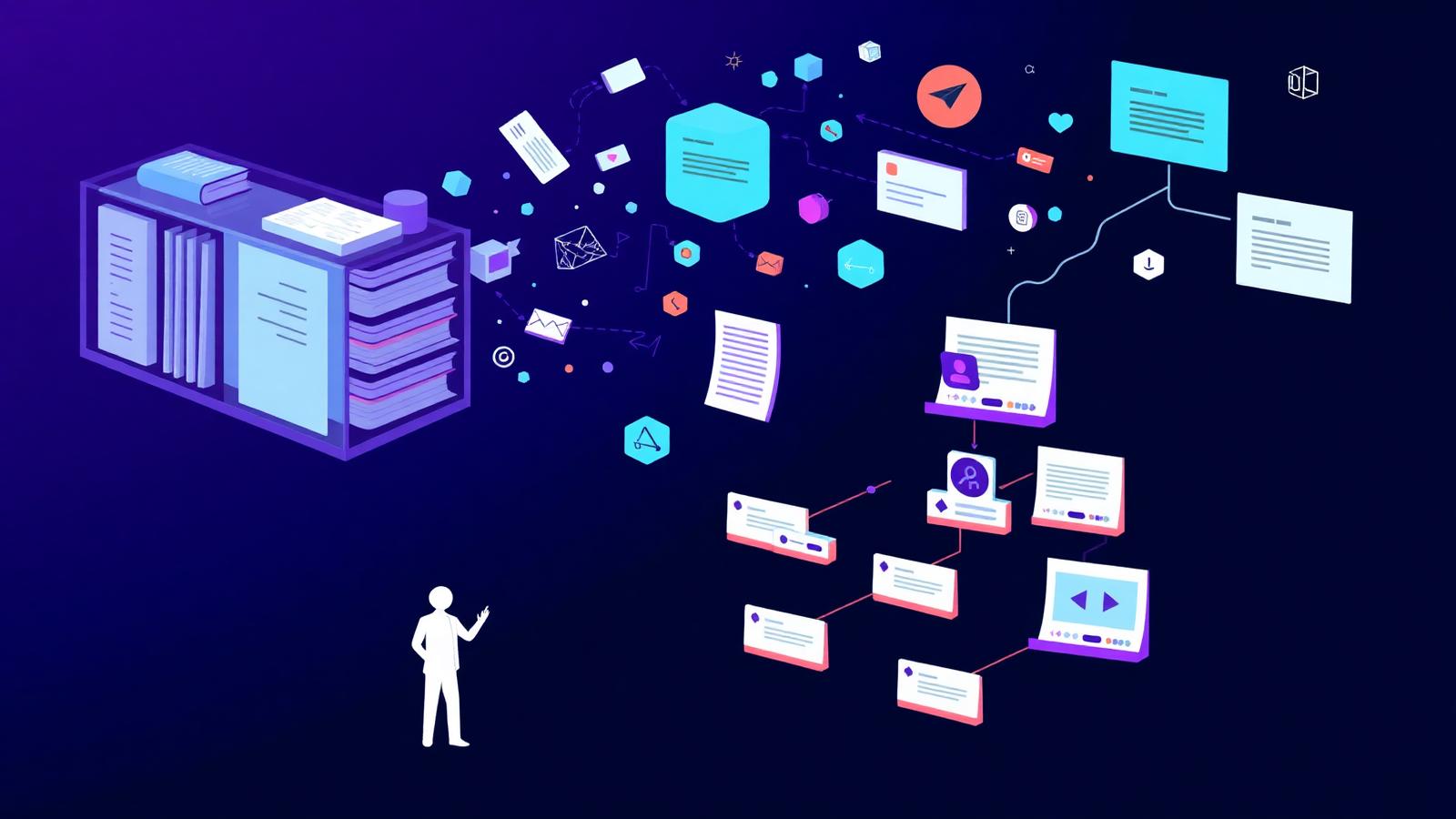
AI training is a beginning, not a transformation strategy. It gives people the vocabulary, judgment, and practical skills to work with AI. Transformation starts when those skills are applied to the way the organization operates.
The transition is not automatic. A trained workforce can still return to unchanged processes, disconnected tools, and unclear policy. Moving forward requires a deliberate bridge from learning to changed work.
Define What Transformation Means Here
AI transformation is not the number of licenses purchased or courses completed. It is a material change in how the organization creates value, serves people, makes decisions, or operates.
Define the outcomes in terms employees can recognize: a shorter customer response cycle, a more consistent review process, faster access to institutional knowledge, a new learning experience for members, or a product that could not have been built economically before.
There may be many opportunities. Choose a small number of strategic outcomes to lead with.
Use Training to Surface Opportunities
Training should ask employees to identify work that is repetitive, document-heavy, dependent on synthesis, or slowed by searching and handoffs. Those observations create an opportunity pipeline grounded in reality.
Capture each opportunity with its owner, current workflow, expected benefit, data requirements, risk, dependencies, and a proposed next step. An idea that cannot be described in those terms is not ready for a build decision.
Move From Individual Use to Team Workflows
Individual productivity improvements are useful, but they remain fragile when they live in private prompts and personal habits. Transformation happens when the team agrees on a better way to perform recurring work.
Map the current process, decide which steps to eliminate, automate, assist, or keep human, define review points, and document the new standard. Then test it with the team that owns the work.
This is also where training needs to evolve. People learn not just which tool to use, but how the redesigned process works and what responsibility remains theirs.
Choose the Right Build Path
Some opportunities need no software: a better prompt pattern, a reusable template, or a clarified procedure may be enough. Others need workflow automation, an AI agent, an internal application, or a new customer-facing product.
Choose based on the problem rather than the novelty of the technology. A custom application is justified when the workflow needs a shared experience, persistent context, integration, permissions, auditability, or a maintained knowledge layer.
Govern the Change
Transformation expands the number of people, systems, and decisions touched by AI. Governance must expand with it.
Define data boundaries, approval gates, source requirements, monitoring, incident reporting, and ownership. Decide what remains human and ensure that people have enough context and time to perform that role meaningfully.
Responsible use is not a final review checklist. It is part of the design of the changed workflow.
Measure Changed Work
Use a before-and-after baseline. Measure cycle time, rework, quality, adoption depth, exception rates, and user experience for the selected workflow. For a product or learning experience, track whether people can complete the intended task and where they stall.
Avoid dashboards full of activity metrics with no connection to the outcome. A smaller set of consistent measures creates better decisions.
Build a Learning Loop
Transformation creates new knowledge: which prompts work, which exceptions matter, where the model fails, which policy is unclear, and which workflow is ready for further improvement. Put that knowledge back into training and the Academy.
This creates a loop: people learn, work changes, the organization captures what it learns, and the next version of learning becomes more relevant. Without that loop, each project starts from scratch.
A Practical Sequence
A grounded sequence is:
- Build baseline AI capability
- Collect and prioritize workflow opportunities
- Pilot one changed process with clear safeguards
- Measure the result against the old process
- Standardize what works
- Invest in automation or software where the opportunity warrants it
- Update training and organizational knowledge
- Repeat with the next priority workflow
Training gives an organization the ability to change. Transformation is the discipline of using that ability on work that matters.