AI Software Development
How AI Can Help Dental Practices Convert More Website Visitors Into Consultations
Prospective implant and cosmetic patients research for weeks before contacting anyone. An AI Patient Concierge gives them somewhere to ask their questions — and gives the practice the lead.

Someone considering dental implants rarely calls a practice first. They read. They compare terminology they have never used before. They look at practice websites late at night, form a partial understanding of their options, and try to work out whether their situation is one this particular practice handles.
Many of them never call at all — not because they lost interest, but because they never resolved enough uncertainty to feel ready to pick up the phone.
For high-value procedures, that unresolved uncertainty is the most expensive part of the marketing budget.
This article is about business operations and patient communication. It does not describe clinical practice, and nothing here suggests that an AI system should diagnose, assess clinical eligibility, or provide medical or dental advice.
The Research Gap Before the First Call
Practices offering implants, full-arch restoration, cosmetic dentistry, and other elective or high-value treatment face a longer consideration period than general dentistry. The prospective patient is weighing cost, time, comfort, appearance, longevity, and trust — usually privately, and usually over weeks.
During that period, the practice website is doing most of the work, and it is doing it passively. A service page describes a procedure in general terms. It cannot respond to "I have had a missing molar for years, is that still something you would look at?" or "how long does the whole process usually take from the first visit?" or "how do consultations work here, and what happens in the first appointment?"
So the visitor leaves with the question unanswered, and the practice never learns they were there.
What an AI Patient Acquisition System Does
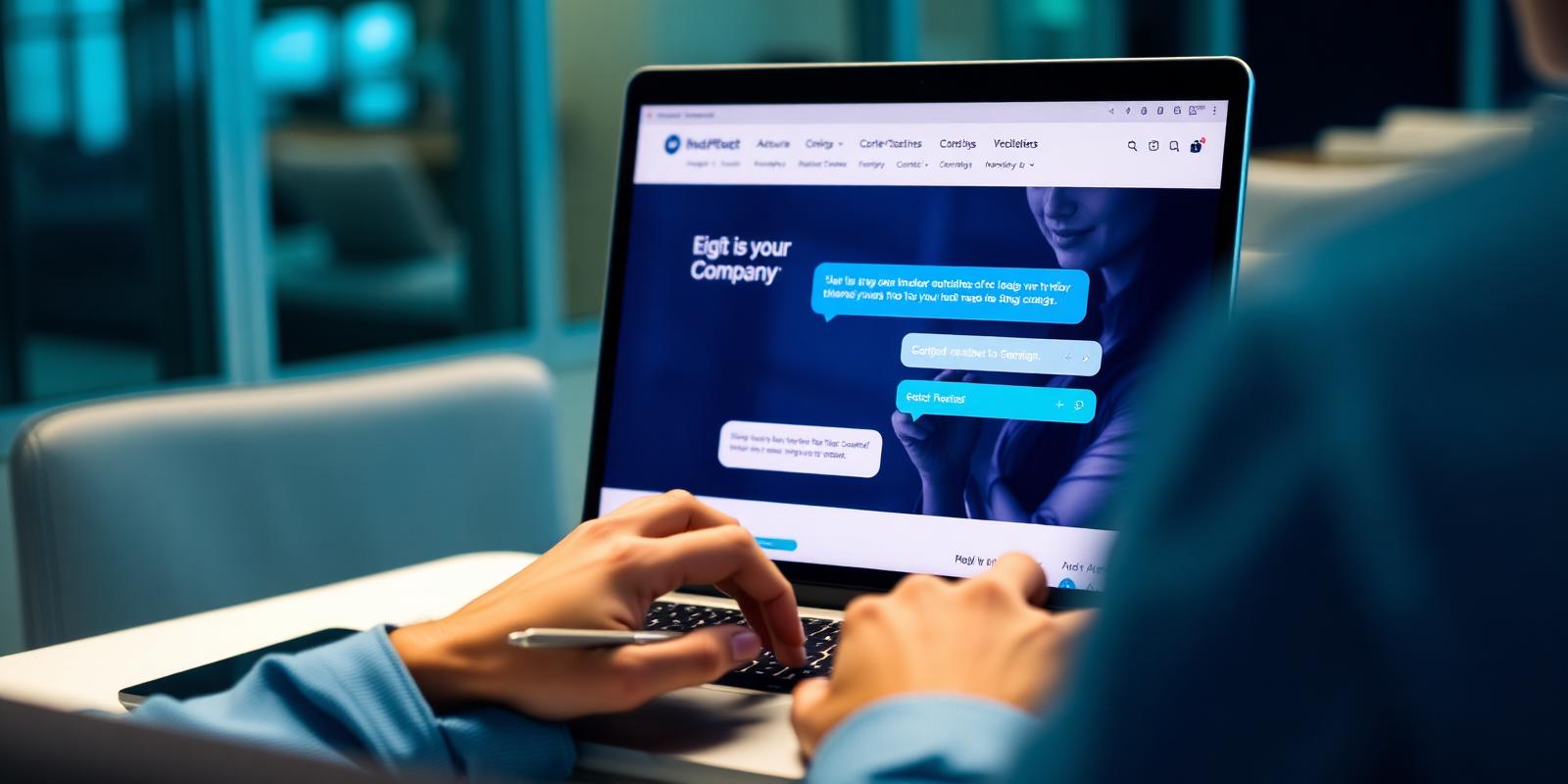
An AI Patient Acquisition System is a vertical application of the same AI Customer Acquisition approach used in other high-value service businesses. It adds a conversational layer — an AI Patient Concierge — to the practice's existing website.
Working only from information the practice has approved, it can:
- Answer prospective patient questions about the practice, its services, and its process, 24 hours a day
- Provide general educational information about the procedures the practice offers
- Help visitors understand which services they may want to discuss with the practice
- Recognize which visitors are showing genuine interest
- Capture and qualify leads with useful context
- Encourage and facilitate consultation requests
- Connect with the practice's approved scheduling and follow-up workflows
- Operate on the practice's current website rather than requiring a redesign
Note what is absent from that list. It does not diagnose. It does not determine whether someone is a candidate for a procedure. It does not quote a treatment plan or offer clinical advice. Those judgments belong to the clinician, in person, and the system should be explicit about that boundary when a conversation approaches it.
Why After-Hours Matters Here
A meaningful share of research into elective treatment happens in the evening and on weekends — precisely when the front desk is closed. A voicemail is a poor substitute for an answer at the moment someone is deciding whether to act.
A concierge that responds at 9:40 p.m. with the practice's own information, and then offers to arrange a consultation, captures intent that would otherwise be gone by morning.
Reducing Uncertainty Without Overstepping
The useful role here is narrow and effective: helping a prospective patient move from "I don't really know how this works" to "I know enough to ask the practice."
That means answering the practical questions that block a call — what the consultation involves, whether the practice offers a given treatment, how the process is typically sequenced, what to expect on a first visit, what information to bring, and how to schedule.
It also means answering in the practice's voice, with the practice's positioning, and referring to a person whenever a question requires clinical judgment.
What the Practice Receives
Instead of an anonymous session in an analytics report, the practice receives a lead with context:
- Contact details the visitor chose to provide
- The service area they were asking about
- What they said they were trying to accomplish
- Their stated timeframe, where offered
- Whether they requested a consultation
- A summary of the conversation, and the transcript
That is a materially better starting point for the team member who follows up, and it makes the follow-up feel like a continuation rather than a cold call.
Privacy and Compliance Are Design Requirements
In a healthcare context, how information is collected, stored, transmitted, and used is not an implementation detail. Scope, data handling, retention, notifications, and workflow integrations should be defined with the practice and its advisors, in line with applicable regulations and the practice's own policies.
A responsible design collects what is needed for a consultation request and nothing more, and keeps clinical conversations where they belong.
How to Evaluate It as a Business Decision
Treat it like any other acquisition investment and count the funnel:
Website Visitors → Conversations → Qualified Inquiries → Consultation Requests → Patients
Establish the baseline first. For practices offering high-value treatment, the value of a single additional consultation that becomes a patient is usually well understood, which makes the arithmetic honest in both directions. No responsible implementation should promise a specific increase in leads, appointments, or revenue; the measurement exists so the practice can see the actual result.
A Practical Starting Point
Keep the first version focused: the treatment areas with the highest value and the longest research cycle, on the pages that already attract the most qualified traffic, connected to the scheduling and follow-up process the practice already uses.
Learn about AI Customer Acquisition Systems, or talk with OceSha Ventures about what this would look like for your practice.